
Cosmetic
Dentistry
Teeth Whitening Aftercare
in Pembroke, ON
Keep Your Smile Bright for Years to Come
Professional teeth whiteningcan transform your smile in just one visit, but maintaining those brilliant results requires some commitment on your part. The good news? With the right aftercare routine, you can keep your teeth looking their best for months or even years.
At Parkview Dental, Dr. James Munro and our Pembroke dental teamwant you to get the most value from your cosmetic investment. We’ve created this comprehensive guide to help you protect your newly whitened smile and understand exactly what it takes to maintain those stunning results.
Ready to brighten your smile? Call Parkview Dental at (613) 735-2336to schedule your teeth whitening consultation. We’re proud to serve families throughout Petawawa, Cobden, and Deep River.
Why Choose Parkview Dental for Teeth Whitening Aftercare
Exceptional Staff: Friendly, Caring, and Attentive
Our team is the heart of Parkview Dental, and patients consistently rave about the warmth and professionalism they encounter. From the front desk to the chairside, we prioritize making every visit feel personal and supportive.
- “The people in this office are caring, compassionate, and conscientious. Thank you for treating us so well when we come in – it means a lot.”– Vanessa R.
- “Parkview Dental is by far the best Dentist experience I have ever had…excellent front desk workers…caring and attentive.”– gridworkz
- “Staff are super friendly and very knowledgeable. You truly feel that they care about your health.”– Malvin Y.
- “Great experience at this dentist. Staff are very friendly and knowledgeable.”– Don S.
We believe in going beyond the basics, ensuring each interaction leaves you feeling valued and heard.
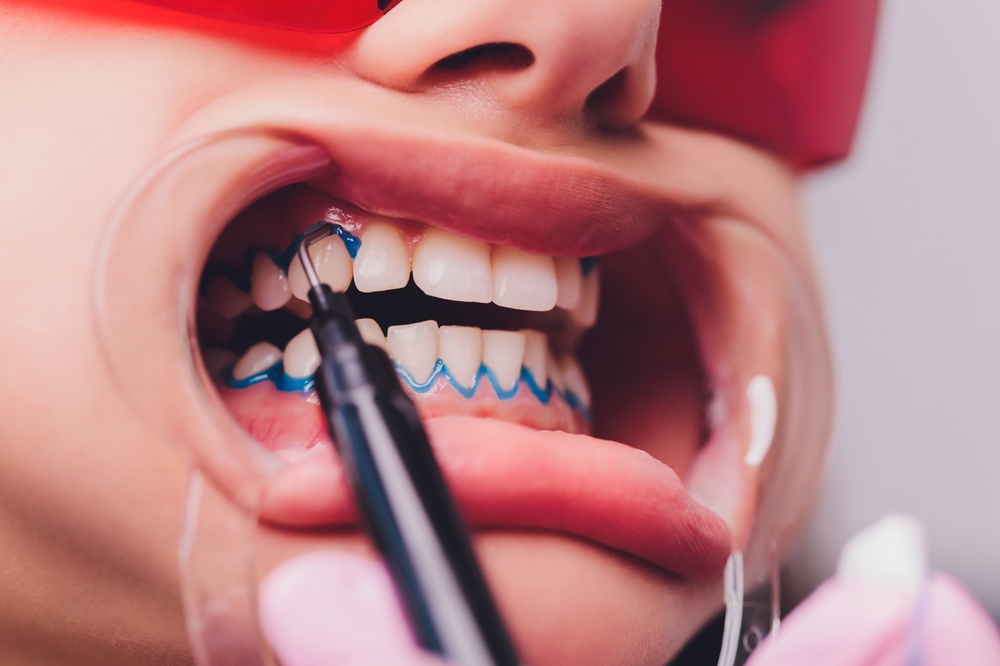
How Important Are the First 48 Hours After Professional Teeth Whitening?
Many dentists emphasize that the two days following a whitening treatment are especially important. During the whitening process, your enamel undergoes a chemical reaction that temporarily increases its porosity, making it more susceptible to absorbing pigments. A helpful comparison is fabric dyeing—when fibers are open and saturated, they readily take on color. Your teeth behave similarly. Whitening opens microscopic pores in the enamel, and these pores typically remain open for roughly 48 hours.
That said, clinical evidence offers an interesting perspective. A systematic review and meta-analysis published in the Dentistry Journalevaluated multiple trials and found that avoiding dark or staining foods and drinks immediately after whitening did notproduce statistically significant differences in final tooth color. Patients who drank coffee, wine, or cola retained whitening results comparable to those who avoided them.
This doesn’t mean dietary habits don’t matter—it simply indicates that the immediate results of whitening are more stable than once believed. Long-term maintenance, however, still depends heavily on consistent oral hygiene and minimizing routine exposure to staining agents.
How Teeth Stain After Whitening
Your newly whitened teeth are particularly vulnerable to staining immediately after treatment. Here’s what you need to know:
- Chromogens in food and beveragesare pigmented molecules that attach to tooth enamel and gradually accumulate, causing visible discoloration over weeks and months.
- Tannins compound the staining effectby making chromogens stick more firmly to enamel, which is why red wine and tea cause such stubborn stains.
- Acidic foods weaken enamel temporarily, creating a rougher surface that traps stains more easily and makes your teeth appear duller.
- Tobacco products deliver concentrated stainsas nicotine and tar penetrate deep into enamel, causing yellowing that’s difficult to remove with regular brushing alone.
- Natural aging thins enamelover time, allowing the yellowish dentin layer beneath to show through and making teeth appear less white even without new surface stains.
Essential Aftercare Habits for Lasting Results
Protecting your whitening investment starts with daily habits that prevent new stains from forming:
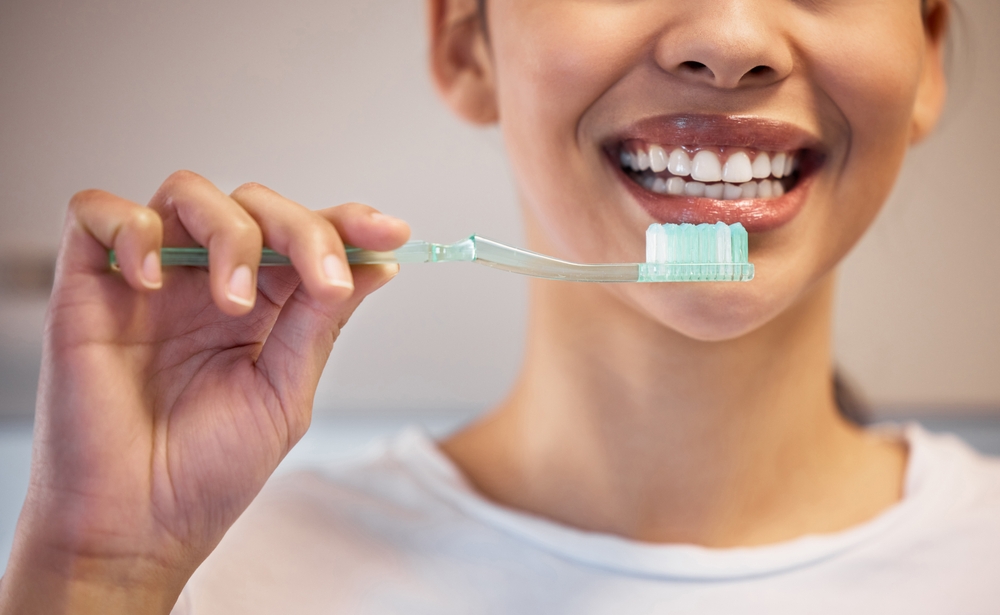
- Brush twice daily with fluoride toothpasteto remove surface stains before they set and to strengthen enamel against acid attacks from food and bacteria.
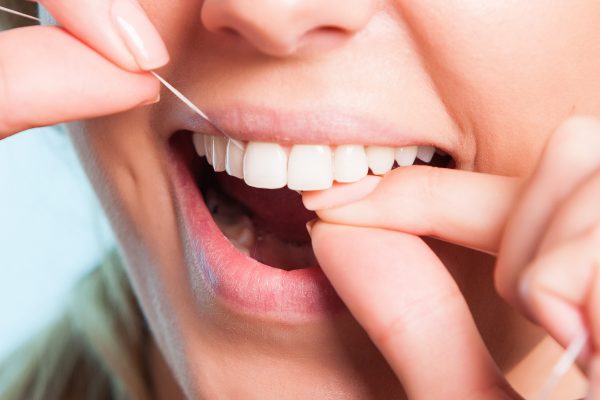
- Floss at least once every daybecause plaque buildup between teeth creates discolored areas that make your whole smile look less bright and uniform.
- Rinse immediately after consuming staining substancesto wash away pigments before they have time to bond with your enamel, especially during the first 48 hours post-whitening.
- Use a straw for dark beveragesso the liquid bypasses your front teeth entirely, dramatically reducing contact time with the surfaces people see when you smile.
- Schedule professional cleanings every six monthsbecause even the best home care can’t remove all the tartar and surface stains that accumulate in hard-to-reach areas.
- Wait 30 minutes after eating to brushbecause immediate brushing when enamel is softened by acids can actually wear away tooth structure and make staining worse over time.
- Apply touch-up whitening as recommendedby Dr. Munro to maintain your shade rather than waiting until significant discoloration returns and requires full retreatment.
Breaking Habits That Sabotage Your Results
Some lifestyle factors dramatically shorten how long your whitening lasts:
- Smoking or vapingdeposits tar and nicotine that penetrate deeply into enamel, causing yellow or brown stains that resist normal brushing and require professional intervention.
- Chewing tobaccocreates even more concentrated contact with teeth than smoking, leading to severe discoloration that can appear within weeks of your whitening treatment.
- Excessive coffee consumptionthroughout the day means your teeth are constantly bathed in staining compounds with no break for your saliva to naturally cleanse and remineralize.
- Neglecting oral hygieneallows plaque to harden into tartar, which has a rougher surface that traps stains and makes your teeth look dingy and yellow.
- Skipping dental appointmentsmeans you miss professional cleanings that remove buildup you can’t eliminate at home, allowing stains to accumulate faster.
Want to quit tobacco? Dr. Munro can connect you with resources to help you succeed.
Touch-Up Treatments: When and Why
Even with excellent aftercare, your teeth will gradually lose brightness. Touch-ups keep you looking your best:
- Most patients need touch-ups every six to 12 months,depending on their dietary habits, oral hygiene, and whether they smoke or drink coffee regularly.
- Professional touch-ups work fasterthan over-the-counter options because Dr. Munro uses stronger whitening agents that aren’t available in retail products.
- At-home whitening traysprovided by our office let you refresh your smile on your own schedule using custom-fitted trays that prevent gel from irritating your gums.
- Touch-ups require less timethan your initial treatment since we’re only lifting minor stains rather than removing years of accumulated discoloration.
- Scheduling touch-ups proactivelycosts less than waiting for significant yellowing and needing a full whitening treatment to restore your original results.
Call (613) 735-2336to schedule your touch-up appointment before your brightness fades.
Managing Tooth Sensitivity After Teeth Whitening Treatment
Some patients experience temporary sensitivity following professional whitening. Here’s how to manage it:
- Use desensitizing toothpasteformulated with potassium nitrate or stannous fluoride starting a week before your whitening appointment to minimize discomfort.
- Avoid extremely hot or cold foodsfor the first few days after treatment while your teeth adjust, and the enamel pores close back up.
- Apply fluoride gelas directed by Dr. Munro to strengthen enamel and reduce nerve sensitivity in the days following your whitening session.
- Take over-the-counter pain relieversif sensitivity becomes uncomfortable, though most patients find the sensation mild and short-lived.
- Contact our office if sensitivity persistsbeyond a week, as this may indicate an underlying issue that needs attention before your next touch-up.
Building Your Long-Term Maintenance Plan
Dr. Munro helps you create a realistic plan based on your lifestyle. Your personalized strategy might include:
Daily Prevention
Brush with fluoride toothpaste morning and night. Floss once daily before bed. Rinse after meals when you can’t brush immediately. These simple habits make the biggest difference in maintaining your whitening results.
Weekly Enhancement
Use whitening toothpaste two to three times per week on a consistent schedule. Consider a whitening mouthwash for additional stain prevention. These products provide gentle maintenance without the intensity of professional treatments.
Monthly Assessment
Check your smile in natural lighting to monitor any color changes. Take photos to compare your current shade against your immediate post-whitening results. This helps you catch dulling early and schedule touch-ups at the optimal time.
Professional Support
Visit Parkview Dental every six months for dental cleaningsthat remove surface stains and tartar. Discuss your whitening maintenance schedule with Dr. Munro to determine when you’ll benefit from a touch-up treatment.
Frequently Asked Questions
Are whitening strips effective for touch-ups between professional treatments?
Over-the-counter whitening strips provide modest maintenance but can’t match professional touch-up treatments in effectiveness or uniformity. Strips only whiten the front surface of teeth they contact and often miss spots near the gum line or between teeth. For best results, use strips as directed by Dr. Munro between professional touch-ups rather than as a replacement for them.
Why are my teeth more sensitive after whitening?
Whitening temporarily opens microscopic tubules in your enamel that lead to the tooth’s nerve, allowing hot and cold sensations to reach nerve endings more easily. This sensitivity is normal and usually resolves within a few days as the tubules close, and your teeth remineralize. Using desensitizing toothpaste before and after treatment significantly reduces this side effect.
Can I whiten my teeth too often?
Yes, excessive whitening can damage enamel and cause chronic sensitivity. Most dentists recommend waiting at least six months between full professional whitening treatments. Touch-ups using lower-concentration products can be done more frequently, but Dr. Munro should approve your whitening schedule to ensure you’re not overdoing it and risking permanent damage.
What's the difference between whitening and stain removal?
Professional cleaning removes surface stains and tartar but doesn’t change your tooth’s underlying color. Whitening uses peroxide-based agents to penetrate enamel and bleach the tooth structure itself, lightening your natural shade by several levels. Both procedures work together—cleanings maintain your results while whitening creates dramatic initial brightening.
Will whitening toothpaste damage my enamel?
Whitening toothpastes with the ADA Seal of Acceptance are safe when used as directed. However, overuse of highly abrasive formulas can wear down enamel over time. Look for products with low RDA ratings and alternate with whitening toothpaste with regular fluoride toothpaste. If you experience increased sensitivity or visible enamel wear, discontinue use and consult Dr. Munro.
How do I know when I need a touch-up treatment?
Compare your current tooth shade to photos taken immediately after your initial whitening. If you notice yellowing or dullness that concerns you, or if your teeth have regressed more than two shades on a dental color chart, it’s time for a touch-up. Most patients schedule touch-ups when they stop feeling confident about their smile’s brightness.