
Emergency Dentistry
Preventing Dental Emergencies in Pembroke, ON
Protect Your Smile Before a Crisis Strikes
Most dental emergencies don’t come out of nowhere. These situations often have roots in habits and patterns that, with the right knowledge, can be changed. At Parkview Dental in Pembroke, ON, Dr. James Munro has spent nearly 50 years helping patients not just recover from dental problems, but avoid them in the first place.
Prevention isn’t just about brushing your teeth. It’s about knowing which habits put your smile at risk and which choices protect it long-term. Small, consistent actions add up to fewer emergencies, less pain, and far lower dental bills over your lifetime.
Our Pembroke dental team is always here when a crisis does happen, but we’d rather see you for a routine teeth cleaning than an emergency tooth extraction. Call Parkview Dental at (613) 735-2336. Serving Petawawa, Cobden, Deep River, and Chalk River, ON.
Dr. Munro’s Sedation Dentistry Licenses
Recognizing that anxiety can stand in the way of great dental care, Dr. Munro holds licensure to provide sedation dentistry options ranging from nitrous oxide to oral sedation or general anesthesia. This qualification allows him to customize comfort for nearly any procedure, transforming what might feel stressful into a relaxed experience where you stay in control and leave feeling supported rather than overwhelmed.
What Is a Dental Emergency?
A dental emergency is any oral health issue that requires immediate care to stop pain, prevent infection, or save a damaged tooth. Common examples include knocked-out teeth, severe abscesses, broken or cracked teeth, and lost fillings or crowns. While accidents do happen, a significant number of dental emergencies are directly linked to preventable causes — poor hygiene, harmful habits, skipped checkups, and ignored warning signs.
Why Preventing Dental Emergencies Matters
The case for prevention goes well beyond avoiding discomfort.
- Cost savings: Treating a small cavity costs a fraction of a root canal and crown
- Tooth preservation: Natural teeth are always the best option; prevention keeps them in your mouth longer
- Less treatment time: Caught early, problems are resolved faster and with less invasive procedures
- Better overall health: Oral infections can have systemic effects; prevention keeps both your mouth and body healthier
- Fewer disruptions: Dental emergencies happen at the worst times — prevention means fewer workdays lost and less family stress
Maintain a Consistent Oral Hygiene Routine
Daily habits are the foundation of emergency prevention. The majority of dental crises trace back to decay or infection that took hold gradually.
Brush Properly, Twice Daily
Use a soft-bristled toothbrush and fluoride toothpaste. Brush for a full two minutes, covering all surfaces of every tooth. Replace your toothbrush every three to four months.
Floss Every Day
Flossing removes plaque and food debris from between teeth, where brushing can’t reach. This is one of the single most effective ways to prevent cavities and gum disease that lead to emergencies.
Add Mouthwash to Your Routine
An antibacterial mouthwash reduces bacteria in the mouth, strengthens enamel, and freshens breath. It’s a simple addition with a measurable protective effect.
Visit Dr. Munro Regularly
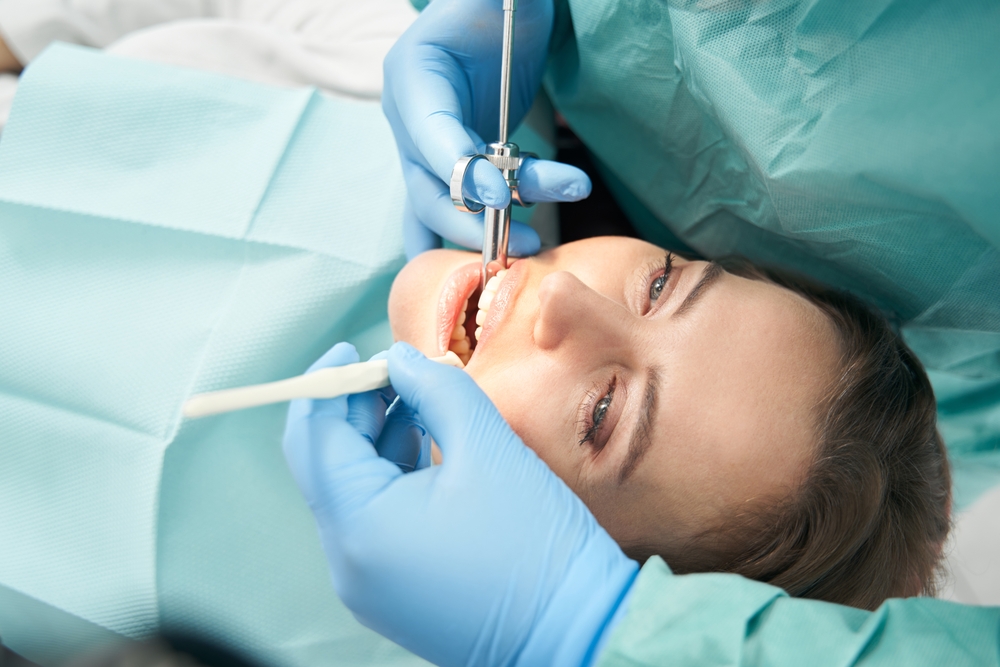 Routine dental checkups are among the most powerful preventive tools available. The American Dental Association recommends visiting your dentist every six months.
- Early cavity detection: Small areas of decay are treated with simple fillings before they reach the nerve
- Crack identification: Our iTero intraoral scanner detects hairline fractures invisible to the naked eye
- Gum disease monitoring: Early-stage gum disease is manageable; advanced periodontitis is not
- Professional cleaning: Tartar buildup that brushing can’t remove is cleared by our hygiene team
- Personalized guidance: Dr. Munro reviews your unique risk factors and gives practical, specific advice
Protect Your Teeth During Physical Activity
Sports and recreational activities are a leading cause of dental trauma. A single blow to the mouth can knock out or fracture a tooth in an instant.
- Wear a custom mouthguard: A dentist-fitted mouthguard offers far better protection than an over-the-counter version and is recommended for any contact sport
- Use helmets and face guards: Full protective gear reduces the risk of facial trauma significantly
- Avoid chewing hard objects: Ice, popcorn kernels, and hard candies are among the most common causes of cracked teeth
- Don’t use your teeth as tools: Opening bottles, tearing packages, or biting thread stresses tooth enamel and can cause fractures
Watch What You Eat and Drink
Your diet has a direct impact on the strength and health of your teeth. What you consume daily either builds your defenses or erodes them.
Foods and Drinks to Limit
- Sugary sodas, sports drinks, and sweets feed decay-causing bacteria
- Acidic foods and drinks (citrus, vinegar-based sauces, carbonated water) that weaken enamel over time
- Sticky foods like caramel and dried fruits that cling to tooth surfaces and promote decay
Tooth-Friendly Choices
- Dairy products, leafy greens, and almonds that provide calcium for strong enamel
- Crunchy vegetables like carrots and celery that stimulate saliva and clean teeth naturally
- Water, especially fluoridated water, which rinses the mouth and neutralizes acids
Address Small Problems Before They Become Emergencies
Ignoring minor dental symptoms is how small, manageable problems turn into painful, expensive ones.
 Tooth sensitivity: A brief twinge when drinking cold water could signal early decay or a micro-crack
- Bleeding gums: Occasional bleeding during brushing is often early gum disease — easily treated if caught now
- Mild toothache: Persistent low-grade pain rarely resolves on its own and usually indicates a problem that needs attention
- Chips or rough edges: Even a small chip can develop into a larger fracture under chewing pressure
- Loose dental work: A slightly loose crown or dental filling should be addressed before it falls out entirely
 Tooth sensitivity:
Break Habits That Put Your Teeth at Risk
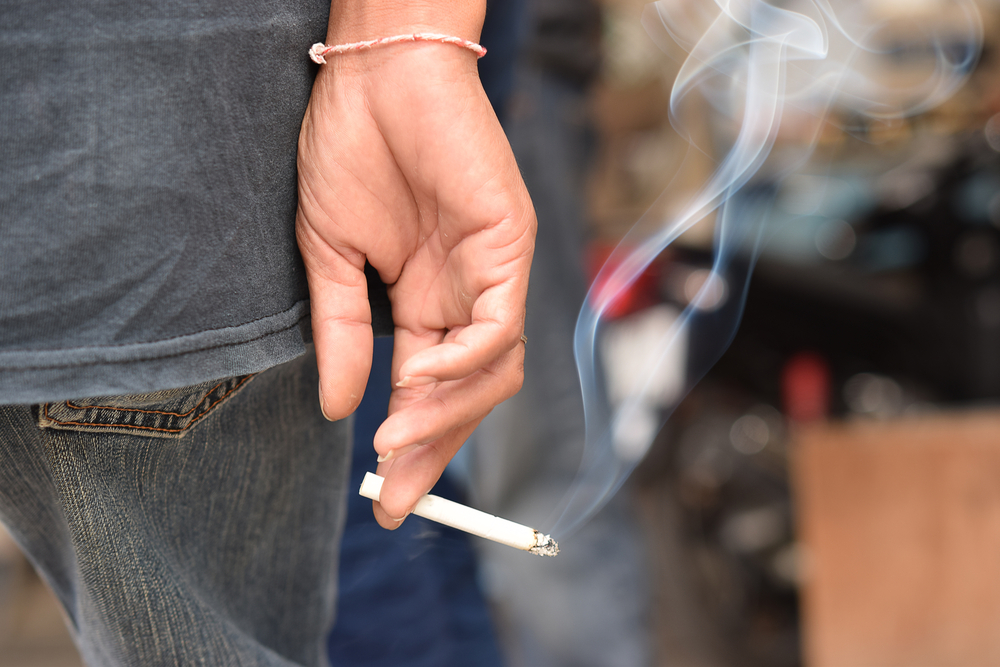 Some of the most damaging things patients do to their teeth aren’t obvious. Awareness is the first step.
- Teeth grinding (bruxism): Grinding during sleep wears down enamel and causes fractures over time. Dr. Munro can fit you with a custom nightguard to protect your teeth
- Nail-biting: Places uneven pressure on teeth and can cause chips and micro-cracks
- Chewing on pens or pencils: A surprisingly common cause of tooth damage, especially on the biting surfaces
- Smoking or using tobacco: Dramatically increases the risk of gum disease, oral infections, and delayed healing
Frequently Asked Questions
Can a mouthguard really prevent serious dental injuries?
Yes. A custom-fitted mouthguard from Dr. Munro absorbs impact far more effectively than a store-bought version. For patients who play contact sports, it’s one of the smartest investments you can make for your smile.
What can I do at home to reduce my risk of a dental emergency?
Brush twice daily with fluoride toothpaste, floss every day, limit sugary and acidic foods, drink plenty of water, and avoid using your teeth for anything other than eating. These habits, consistently followed, dramatically lower your risk.
My child grinds their teeth at night. Should I be worried?
Childhood bruxism is common and often resolves on its own, but persistent grinding warrants evaluation. Dr. Munro can assess the wear pattern and recommend a nightguard if needed to protect developing teeth.
What are the warning signs I should call the dentist about right away?
If you find yourself experiencing sudden and intense tooth pain, notice swelling in your face or gums, have a loose permanent tooth, taste something unpleasant in your mouth, or suffer any injury to your mouth, it is crucial to reach out to our office without delay. Your oral health is a priority, and prompt attention can make all the difference in ensuring your comfort and well-being.
Does diet really affect dental emergency risk?
Significantly. High-sugar and high-acid diets erode enamel, making teeth more vulnerable to decay and fracture. Patients who adjust their diet typically see measurable improvements in enamel strength and gum health over time.