
(613) 735-2336
Parkview Dental Clinic logo featuring stylized dental imagery and text, representing restorative dentistry services.
  • Home
  • About
  • Dentistry Services
    • Dental Technology
    • Dental Services
      • Preventative Dentistry
        • Dental Cleanings
        • Preventive Dentistry
        • Dental Exams
        • Oral Cancer Screening
      • Cosmetic Dentistry
        • Cosmetic Dentistry
        • Dental Bonding
        • Dental Crowns
        • Porcelain Veneers
        • Cosmetic Restorations: Inlays, Onlays, & Fillings
        • Prettau Bridges and Dentures
        • Teeth Whitening
      • Dental Implants
        • All-on-4 Dental Implants
        • Our Implant Solutions
        • Single-Tooth Dental Implants
        • Tooth Loss and Your Health
        • Dental Implant Process
        • Dental Implant Candidacy
        • Dental Implant Candidacy
        • Supplemental Treatments
      • Periodontal Services
        • Periodontal Care
        • Periodontal Maintenance
        • Sinus Lifts
        • Socket Preservation
        • Antibiotic Therapy
        • Scaling and Root Planing
        • Guided Tissue Regeneration
        • Antibiotic Therapy
      • Sedation Dentistry
        • General Anesthesia
        • Local Anesthesia
        • Nitrous Oxide Sedation
        • Oral Conscious Sedation
        • Sedation Dentistry
    • Close
  • Financing
  • Blog
  • Forms
  • Contact

      • Please prove you are human by selecting the truck.Please prove you are human by selecting the truck.
    • Map of Pembroke, Ontario, highlighting key locations including Pembroke Waterfront Park and local businesses, relevant for users seeking restorative dentistry services at Parkview Dental Clinic.
    • Close

Preventative
Dentistry

Oral Cancer Screening in Pembroke, ON

Take Charge of Your Oral Health with Routine Preventive Screenings

Oral cancer poses a significant threat, despite being up to90 percent curable. This underscores the critical importance of early detection.

AtParkview Dental, we integrate oral cancer screenings seamlessly into your routinecheckups.Dr. James Munrorecommends annual screenings but can conduct them during your biannual appointments as well. To schedule your screening, call (613) 735-2336. 

What is Oral Cancer?

Oral cancerrefers to the abnormal growth of cells in the mouth, including the lips, tongue, gums, teeth, inner lining of the cheeks, roof, and floor of the mouth. If left untreated, it can spread to other parts of the body.

Signs of Oral Cancer

Smiling man in dental chair with healthy teeth, showcasing confidence in cosmetic dentistry at Parkview Dental Clinic, Pembroke, ON.Oral cancer can manifest in various ways, and being aware of potential signs of mouth cancer is crucial for early detection:

  • Persistent Sores or Ulcers: Any sores or ulcers in the mouth that don’t heal within a few weeks.
  • Red or White Patches: Unusual patches or spots in the mouth that are red or white.
  • Lumps or Thickened Tissues: Development of lumps or thickened areas in the mouth, gums, or on the lips.
  • Difficulty Swallowing or Speaking: Persistent difficulty in swallowing, speaking, or moving the jaw.
  • Unexplained Bleeding: Unexplained bleeding in the mouth or throat.
  • Numbness or Pain: Numbness, pain, or tenderness in any area of the mouth, lips, or throat.
  • Dramatic Weight Loss: Unintended and noticeable weight loss without an apparent cause.

Risk Factors for Oral Cancer

Several factors increase the risk of developing oral cancer:

  • Tobacco Use: Smoking or using smokeless tobacco significantly elevates the risk.
  • Alcohol Consumption: Heavy and frequent alcohol consumption is a known risk factor.
  • HPV Infection: Certain strains of the human papillomavirus (HPV) are linked to oral cancers.
  • Prolonged Sun Exposure: Excessive exposure of lips to the sun increases the risk.
  • Poor Diet: A diet low in fruits and vegetables may contribute to oral cancer risk.
  • Family History: Having a family history of oral cancer may increase susceptibility.
  • Age and Gender: Men over the age of 45 are at higher risk, although the incidence in younger individuals is increasing.
  • Oral Health: Poor oral hygiene and chronic irritation from ill-fitting dentures or dental issues can contribute.

Understanding these signs and risk factors can prompt timely screenings, diagnosis, and early interventions, significantly improving treatment outcomes for oral cancer.

What is Oral Cancer Screening?
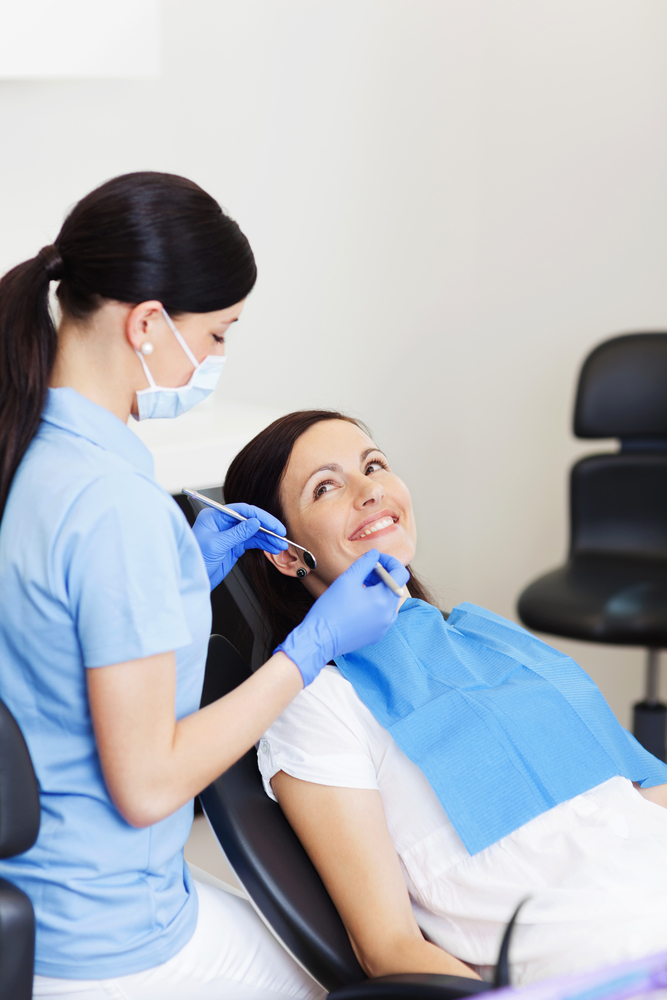
Dental professional applying teeth whitening treatment to smiling patient in a comfortable clinic setting, emphasizing cosmetic dentistry and patient care at Parkview Dental.An oral cancer screeningis a comprehensive examination conducted by a dental professional to detect any signs or precancerous conditions in the mouth. It involves a thorough examination of the oral cavity, including the tongue, gums, throat, and surrounding tissues, to identify any abnormalities or suspicious lesions. Technologies like Oral ID or physical examinations are often used to aid the dentist in the detection process.

What to Expect at an Oral Cancer Screening

An oral cancer screening involves a comprehensive examination conducted by a dental professional to detect any signs or precancerous conditions in the oral cavity. Here’s what typically occurs during the screening:

  • Visual Examination: Dr. Munro inspects the mouth, lips, gums, tongue, throat, and surrounding tissues for any abnormalities, red or white patches, or unusual lesions.
  • Physical Palpation: By gently feeling the jaw, neck, and throat, Dr. Munro checks for any lumps, bumps, or irregularities in the tissues.
  • Use of Advanced Technology: Some screenings incorporate tools like Oral ID, employing fluorescent technology to identify potential abnormal lesions under the skin’s surface without the need for X-rays.
  • Discussion and Education: Dr. Munro may discuss risk factors, symptoms, and preventive measures related to oral cancer, offering guidance on maintaining oral health.

Preventing Oral Cancer

While certain risk factors for oral cancer, like genetics, cannot be controlled, there are proactive steps individuals can take to reduce their lip cancer risk:

  • Avoid Tobacco: Refrain from smoking or using smokeless tobacco products.
  • Limit Alcohol Consumption: Moderate or eliminate alcohol intake.
  • Healthy Diet: Maintain a balanced diet rich in fruits and vegetables.
  • Sun Protection: Protect lips from excessive sun exposure with lip balms or sunscreen.
  • Practice Good Oral Hygiene: Brush and floss regularly and attend routinedental check-ups.

Regularpreventive visits, healthy lifestyle choices, and awareness of potential signs play a pivotal role in preventing and detecting oral cancer at its earliest, most treatable stages.

Frequently Asked Questions

Does insurance cover the cost of an oral cancer screening?
Who is most at risk for oral cancer?
How often should you get an oral cancer screening?
Does insurance cover the cost of an oral cancer screening?

Insurance coverage for oral cancer screenings varies. Many dental insurance plans include these screenings as part of routine preventive care. Check your insurance policy or consult with your provider to understand the coverage details.

Who is most at risk for oral cancer?

Several factors elevate the risk of oral cancer, including tobacco and alcohol use, HPV infection, excessive sun exposure, and a family history of oral cancer. Individuals with these risk factors should be especially vigilant and prioritize regular screenings.

How often should you get an oral cancer screening?

For most individuals, annual oral cancer screenings are recommended. However, high-risk individuals, such as tobacco users or those with a family history of oral cancer, may require more frequent screenings. Dentists typically recommend yearly screenings, but personalized advice based on individual risk factors is crucial.

Safeguard Your Oral Health With Proactive Care

If you’ve noticed changes in your oral health or abnormalities in the tissues of your mouth, don’t hesitate to schedule an appointment for an oral cancer screening.

We prioritize providing comprehensive oral cancer screenings alongside routine cleanings and exams for each patient. If you haven’t undergone your annual oral cancer screening yet, reach out to our Parkview office at (613) 735-2336 toschedule an appointmentpromptly. We welcome patients from Petawawa, Cobden, and Deep River, ON.


  • Please prove you are human by selecting the heart.Please prove you are human by selecting the heart.
  • Home
  • About
  • In-Office Technology
  • Financing
  • Contact
  • Sitemap

Parkview Dental

Dr. James A. Munro

15 Pembroke St. W
Pembroke, Ontario
K8A 5M4

(613) 735-2336

Monday 8:00AM - 5:00PM

Tuesday 8:00AM - 5:00PM

Wednesday 8:00AM - 5:00PM

Thursday 8:00AM - 5:00PM

(613) 735-2336

Facebook
Google+
Yelp


Friday 8:00AM - 5:00PM

Saturday Closed

Sunday Closed

Parkview Dental Clinic logo featuring stylized dental imagery and text, representing restorative dentistry services.
© 2020 Parkview Dental

Importance of Early Detection

Early detection of oral cancer significantly increases the chances of successful treatment and recovery. Regular screenings can identify abnormalities before they develop into advanced stages of cancer, allowing for timely intervention.

Studies show that when oral cancer is detected in its early stages, the survival rate can exceed 90%. This highlights the critical role that routine screenings play in safeguarding oral health and enhancing patient outcomes.

Who Should Get Screened?

Understanding who should undergo oral cancer screenings is essential for proactive health management. Individuals at higher risk, such as tobacco users, heavy alcohol consumers, and those with a family history of oral cancer, should prioritize regular screenings.

Additionally, anyone experiencing persistent symptoms like sores, lumps, or difficulty swallowing should seek immediate evaluation. The American Dental Association recommends that all adults receive routine screenings, regardless of risk factors, to ensure early detection.

What Happens During a Screening?

During an oral cancer screening, a dentist conducts a thorough examination of the oral cavity to identify any signs of cancer. This includes a visual inspection and physical palpation of the surrounding areas to detect lumps or abnormalities.

The screening process is typically quick and non-invasive, providing valuable information about a patient's oral health. Patients can expect to discuss their medical history, risk factors, and any concerns they may have, making the appointment informative and reassuring.

Post-Screening Care and Follow-Up

After an oral cancer screening, it's crucial to understand the next steps based on the findings. If any abnormalities are detected, the dentist may recommend further diagnostic tests or consultations with specialists.

For patients with normal results, maintaining regular dental check-ups and adhering to preventive measures is essential. Follow-up appointments ensure ongoing monitoring of oral health and reinforce the importance of early detection in cancer prevention.

Importance of Early Detection

Early detection of oral cancer significantly increases the chances of successful treatment and recovery. Regular screenings can identify abnormalities before they develop into advanced stages of cancer, allowing for timely intervention.

Studies show that when oral cancer is detected in its early stages, the survival rate can exceed 90%. This highlights the critical role that routine screenings play in safeguarding oral health and enhancing patient outcomes.

Who Should Get Screened?

Understanding who should undergo oral cancer screenings is essential for proactive health management. Individuals at higher risk, such as tobacco users, heavy alcohol consumers, and those with a family history of oral cancer, should prioritize regular screenings.

Additionally, anyone experiencing persistent symptoms like sores, lumps, or difficulty swallowing should seek immediate evaluation. The American Dental Association recommends that all adults receive routine screenings, regardless of risk factors, to ensure early detection.

What Happens During a Screening?

During an oral cancer screening, a dentist conducts a thorough examination of the oral cavity to identify any signs of cancer. This includes a visual inspection and physical palpation of the surrounding areas to detect lumps or abnormalities.

The screening process is typically quick and non-invasive, providing valuable information about a patient's oral health. Patients can expect to discuss their medical history, risk factors, and any concerns they may have, making the appointment informative and reassuring.

Post-Screening Care and Follow-Up

After an oral cancer screening, it's crucial to understand the next steps based on the findings. If any abnormalities are detected, the dentist may recommend further diagnostic tests or consultations with specialists.

For patients with normal results, maintaining regular dental check-ups and adhering to preventive measures is essential. Follow-up appointments ensure ongoing monitoring of oral health and reinforce the importance of early detection in cancer prevention.