Periodontal Dentistry
Guided Tissue Regeneration in Pembroke, ON
Advanced Gum and Bone Restoration for Healthier Smiles
Periodontal disease can silently destroy the bone and tissue supporting your teeth, leading to tooth loss if left untreated. At Parkview Dental in Pembroke, Ontario, Dr. James Munro offers guided tissue regeneration (GTR) – an advanced procedure that helps your body rebuild lost bone and gum tissue around damaged teeth. This sophisticated treatment gives patients a chance to save teeth that might otherwise require extraction.
Guided tissue regeneration works by placing a special barrier membrane between your gum tissue and tooth root during periodontal surgery. The result is stronger, healthier teeth with improved long-term stability.
If you’ve been diagnosed with advanced gum disease or bone loss around your teeth, GTR might offer the solution you need. Call Parkview Dental at (613) 735-2336 to schedule a consultation with Dr. Munro. We proudly serve patients throughout Petawawa, Cobden, and Deep River.
Why Choose Parkview Dental for Guided Tissue Regeneration
Lifelong Partnerships: Trusted Care Over the Years
Many of our patients have been with us for decades, a testament to the consistent, high-quality care we provide. We’re honored to support families through every stage of life.
- “Parkview Dental, Dr. James Munro and Debbie and their entire staff deserve more than 5 stars as I reflect on the 40 years of varied dental services to Grant and myself, along with our three (then) children! … So this is not just a review, it is a humble note of gratitude and appreciation.” – Katherine S.
- “We have been patients of Dr. Munro and Parkview Dental for almost twenty years. The dental services over the past two decades has always been amazing. Thank you.” – Duane A.
- “Before moving to Pembroke I had amazing Dental service in Toronto. When I moved to Pembroke I tried a couple different dentist before finding Parkview dental. This will be my dental office as long as I live in Pembroke.” – Malvin Y.
From routine checkups to complex procedures, we’re committed to being your dental home for life.
What Is Guided Tissue Regeneration?
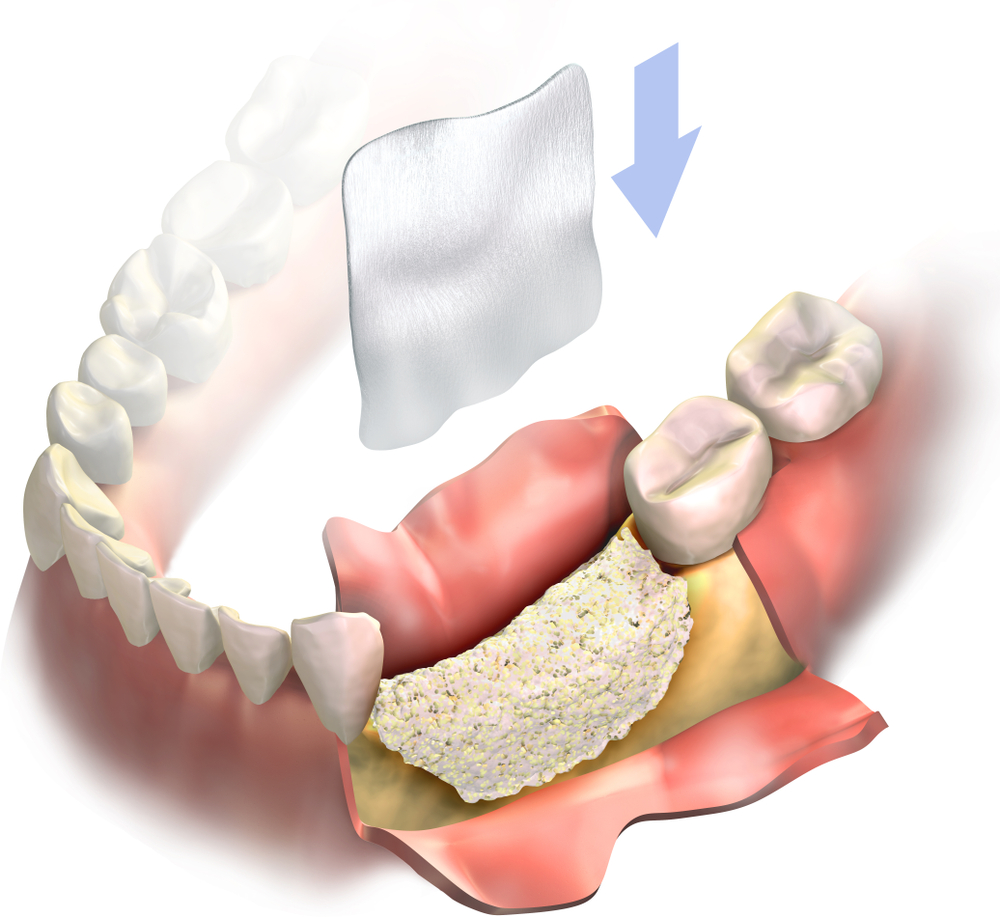 Guided tissue regeneration is a surgical periodontal procedure that encourages the regrowth of bone and connective tissue destroyed by gum disease. During the procedure, a dentist or periodontist places a biocompatible membrane barrier between the gum tissue and tooth root after removing diseased tissue and cleaning the root surface.
This membrane blocks fast-growing epithelial cells from occupying the space, allowing slower-growing bone and periodontal ligament cells to regenerate and reattach to the tooth root. GTR is often combined with bone grafting materials to enhance regeneration results and is commonly used to treat intrabony defects, furcation involvement, and recession defects.
Benefits of Guided Tissue Regeneration
GTR offers advantages that extend beyond simply saving teeth, improving your overall oral health, and quality of life:
- Saves teeth that would otherwise require extraction: By rebuilding the bone and tissue foundation around severely compromised teeth, GTR gives you the opportunity to keep your natural teeth rather than facing removal and replacement with implants or bridges
- Restores structural support and stability: Regenerated bone and periodontal ligament reattach to tooth roots, reducing mobility and providing the firm foundation needed for comfortable chewing and speaking without pain or shifting
- Reduces pocket depths that harbor bacteria: Successful tissue regeneration eliminates the deep periodontal pockets where harmful bacteria thrive, making it easier to maintain good oral hygiene and preventing future disease progression
- Improves long-term prognosis for affected teeth: Research shows teeth treated with GTR have significantly better survival rates over 10-20 years compared to teeth with untreated bone loss, protecting your investment in dental care
- Prevents adjacent tooth complications: Stopping bone loss around one tooth protects neighboring teeth from developing similar problems, as periodontal disease tends to spread throughout the mouth when left unmanaged
- More conservative than extraction and replacement: GTR preserves your natural tooth structure and avoids the bone resorption that inevitably follows tooth extraction, maintaining your facial structure and bite alignment
- Can be combined with other periodontal procedures: GTR works well alongside crown lengthening, gum grafting, or implant placement surgeries, allowing Dr. Munro to address multiple issues in coordinated treatment phases
- Enhances your ability to maintain results: With shallower pockets and healthier tissue, your daily brushing and flossing become more effective at preventing future gum disease recurrence
Who Is a Good Candidate for Guided Tissue Regeneration?
GTR works best for patients who meet specific clinical and personal criteria:
- Patients with moderate to severe periodontal disease who have deep pockets (5mm or greater) and documented bone loss on X-rays around one or more teeth
- Non-smokers or those willing to quit: Smoking dramatically reduces GTR success rates by impairing blood flow and healing capacity in gum tissues
- Individuals with good overall health and well-controlled systemic conditions, like diabetes, that could otherwise interfere with surgical healing and tissue regeneration
- Patients are committed to excellent oral hygiene both before and after surgery, as plaque control is essential for successful regeneration and long-term maintenance
- Those with specific defect types, including vertical bone loss, Class II furcation involvement, or localized recession that respond predictably to membrane therapy
- Patients seeking alternatives to extraction who want to preserve their natural teeth and are willing to undergo the necessary surgical procedure and healing period
- People with realistic expectations who understand that GTR improves but may not completely restore tissue to pre-disease levels, and that ongoing periodontal maintenance is mandatory
The Guided Tissue Regeneration Process – Step by Step
Understanding what happens during GTR treatment helps you feel prepared and confident about your procedure:
1. Comprehensive Periodontal Evaluation
Dr. Munro measures pocket depths around each tooth, takes detailed X-rays to assess bone loss patterns, and uses iTero scanning to create 3D models of your current periodontal condition. This information determines whether GTR is appropriate and where membranes should be placed.
2. Pre-Surgical Preparation and Planning
You’ll undergo scaling and root planing to remove tartar and bacteria from below the gumline. Dr. Munro reviews your medical history, discusses sedation options, and provides detailed pre-operative instructions about medications and eating before surgery.
3. Anesthesia and Surgical Access
On procedure day, local anesthesia numbs the treatment area completely. Dr. Munro carefully creates small incisions in your gum tissue and gently lifts it away from the tooth roots to expose the bone defects requiring regeneration.
4. Root Surface Preparation
All diseased tissue, tartar, and bacterial toxins are meticulously removed from the exposed root surfaces. The roots may be treated with special conditioning agents that help new periodontal ligament fibers attach more readily during healing.
5. Bone Graft Placement (If Needed)
For larger defects, Dr. Munro places bone grafting material into the area requiring regeneration. This provides a scaffold that guides new bone formation and fills voids that the membrane alone cannot bridge.
6. Membrane Barrier Application
A carefully trimmed membrane is positioned over the cleaned root surface and bone graft, extending slightly beyond the defect margins. The membrane is secured with sutures or small tacks to prevent shifting during healing.
7. Tissue Closure and Suturing
Your gum tissue is repositioned over the membrane and sutured carefully to achieve primary closure. Proper closure protects the regeneration site from bacteria and allows undisturbed healing beneath the gums.
8. Post-Operative Care and Monitoring
You receive prescriptions for pain management and antibiotics, plus detailed instructions about diet, oral hygiene, and activity restrictions. Follow-up appointments at one week, one month, and three months let Dr. Munro monitor healing progress and address any concerns.

Caring for Your Guided Tissue Regeneration Results
Protecting your regeneration investment requires diligent home care and professional maintenance:
- Follow all post-operative instructions precisely: Avoid disturbing the surgical site, stick to soft foods, take prescribed medications as directed, and don’t brush or floss the treated area until Dr. Munro gives approval
- Maintain impeccable oral hygiene after healing: Once cleared by Dr. Munro, brush twice daily with a soft-bristled brush and floss carefully around regenerated areas to prevent bacterial recolonization
- Attend regular periodontal maintenance cleanings: Most GTR patients require professional cleanings every three to four months rather than the standard six months to control bacteria and monitor tissue health
- Quit smoking permanently: Tobacco use remains the single biggest threat to your regeneration results and overall periodontal health, dramatically increasing your risk of treatment failure and disease recurrence
- Manage systemic health conditions: Keep diabetes, high blood pressure, and other conditions well-controlled, as these affect your immune response and ability to maintain healthy gum tissue
- Use antimicrobial rinses as recommended: Prescription-strength chlorhexidine or other antibacterial mouth rinses may be part of your long-term maintenance protocol to suppress harmful bacteria
- Report any concerning symptoms immediately: Contact Parkview Dental if you notice increasing pocket depths, bleeding, mobility, or other signs that regenerated tissue may be compromised
Cost & Financing for Guided Tissue Regeneration
GTR represents a significant investment in saving your natural teeth and preventing more extensive future treatment. Costs typically range from $800 to $1,500 per tooth, though complex cases involving multiple sites or extensive bone grafting may exceed this range.
Several factors influence your final treatment cost:
- Number of teeth and defect complexity: Single-tooth procedures with simple vertical defects cost less than multi-tooth treatments with furcation involvement or circumferential bone loss
- Type of membrane and materials used: Resorbable membranes and synthetic bone grafts generally cost less than non-resorbable barriers or autogenous bone harvested from your own body
- Need for sedation or additional procedures: Adding conscious sedation for anxiety management or combining GTR with crown lengthening or gum grafting increases overall fees
- Geographic location and practitioner expertise: Periodontal specialists typically charge more than general dentists, though both are qualified to perform GTR, depending on case complexity
At Parkview Dental, we work with numerous dental insurance providers that may cover 50-80% of medically necessary periodontal procedures. We also offer flexible payment plans through CareCredit to make your treatment affordable.
Ready to explore whether guided tissue regeneration can save your teeth? Call Dr. Munro at (613) 735-2336 to schedule your comprehensive periodontal evaluation.
Important Considerations & Alternatives
GTR success depends heavily on patient compliance and specific clinical factors. The procedure cannot regenerate tissue if an inadequate blood supply exists or if you continue smoking, which constricts blood vessels and impairs healing. Results vary based on defect type – vertical bone defects respond better than horizontal bone loss, and not all furcation involvement can be successfully treated with membranes alone.
You must commit to lifelong periodontal maintenance after GTR. Even successfully regenerated tissue remains vulnerable to future gum disease if plaque control lapses. Expect professional cleanings every three to four months indefinitely, along with excellent daily home care. Some regenerated bone and attachment may be lost over time despite perfect maintenance, particularly if you have a genetic susceptibility to periodontal disease.
Common Alternatives to GTR
- Tooth extraction and dental implant placement: Removing the compromised tooth and replacing it with an implant avoids the uncertainty of regeneration attempts, though this means losing your natural tooth permanently
- Traditional periodontal surgery without membranes: Flap surgery and root planing reduce pocket depths through tissue removal rather than regeneration, offering simpler treatment with more modest expectations
- Continued non-surgical maintenance: Some patients with less severe bone loss choose frequent cleanings and monitoring rather than surgery, accepting gradual progression with possible eventual tooth loss
- Extraction and dental bridge placement: Replacing one or two lost teeth with a fixed bridge supported by adjacent teeth provides a non-surgical restoration option after extraction
Possible Side Effects
- Post-operative discomfort and swelling lasting several days, manageable with prescribed pain medications and ice application to the external face
- Membrane exposure if gum tissue doesn’t remain sealed over the barrier, potentially requiring early membrane removal and compromising regeneration results
- Limited or unpredictable regeneration – not all treated sites achieve the hoped-for bone and tissue regrowth, particularly in smokers or complex defects
- Gum recession around treated teeth as tissues heal and remodel, sometimes exposing root surfaces and causing temperature sensitivity
Frequently Asked Questions
How long does guided tissue regeneration take to heal?
Initial healing occurs over two to three weeks as gum tissue seals and inflammation subsides. However, bone regeneration continues for six to twelve months beneath the membrane as your body slowly rebuilds the periodontal structures. Dr. Munro monitors progress through follow-up exams and X-rays at intervals throughout this period. Full maturation of regenerated tissue takes up to eighteen months.
Is GTR painful during and after the procedure?
During surgery, local anesthesia ensures you feel no pain, only pressure and movement sensations. Post-operative discomfort is typically moderate and well-controlled with prescribed pain medication for three to five days. Most patients describe the pain level as less severe than a tooth extraction. Sedation dentistry is available if you’re anxious about the procedure itself.
What happens if the membrane becomes exposed?
If the barrier membrane pushes through your gum tissue before healing completes, bacteria can contaminate the regeneration site and compromise results. Dr. Munro may leave resorbable membranes in place with careful monitoring and antimicrobial rinses, or remove non-resorbable membranes early to prevent infection. Some regeneration may still occur even with early exposure, though outcomes are less predictable.
Can guided tissue regeneration be combined with dental implants?
Yes, GTR techniques are frequently used during implant placement to regenerate bone around implant fixtures, especially when insufficient bone exists initially. The same membrane principles apply – barriers prevent gum tissue from filling the space while bone grows around the titanium implant. This combination approach has high success rates for achieving stable implant integration.
Can gum disease come back after successful GTR?
Yes, gum disease can recur if you don’t maintain excellent oral hygiene and attend regular periodontal maintenance cleanings. The bacteria causing periodontal disease never completely disappear from your mouth, so ongoing prevention is essential. However, successfully regenerated tissue provides a stronger foundation that’s easier to keep healthy compared to untreated deep pockets where bacteria hide.