
Periodontal
Dentistry
Socket Preservation in Pembroke, ON
Protect Your Jawbone After Tooth Extraction
Losing a tooth is difficult enough without facing the bone loss that naturally follows tooth extraction. At Parkview Dental in Pembroke, Ontario, Dr. James Munro offers socket preservation– a protective procedure performed immediately after tooth removal that maintains your jawbone volume and structure. This proactive treatment prevents the collapse and shrinkage that typically occurs in empty tooth sockets, keeping your options open for future dental implants or other restorations.
When a tooth is extracted, your body begins resorbing the surrounding bone almost immediately. Within just three to six months, you can lose up to 60% of the bone width in that area, along with changes in height and ridge shape. Socket preservation fills the empty socket with bone grafting material and covers it with a protective membrane, giving your body the scaffolding it needs to maintain bone volume during healing.
Whether you’re planning a dental implant or simply want to preserve your facial structure and bite alignment, socket preservation offers significant advantages. Call Parkview Dental at (613) 735-2336to discuss your tooth extraction and preservation options. Our Pembroke dental clinicserves families throughout Petawawa, Cobden, and Deep River.
Why Patients Choose Parkview Dental
People keep coming back — some for almost 40 years — because they say this feels different.
They tell us the team is genuinely caring, warm, and down-to-earth. They love that everyone from the front desk to the chair actually listens and takes the time to explain things.
Patients say they finally found a dental office where they’re treated like family, not just another appointment.
What Is Socket Preservation?
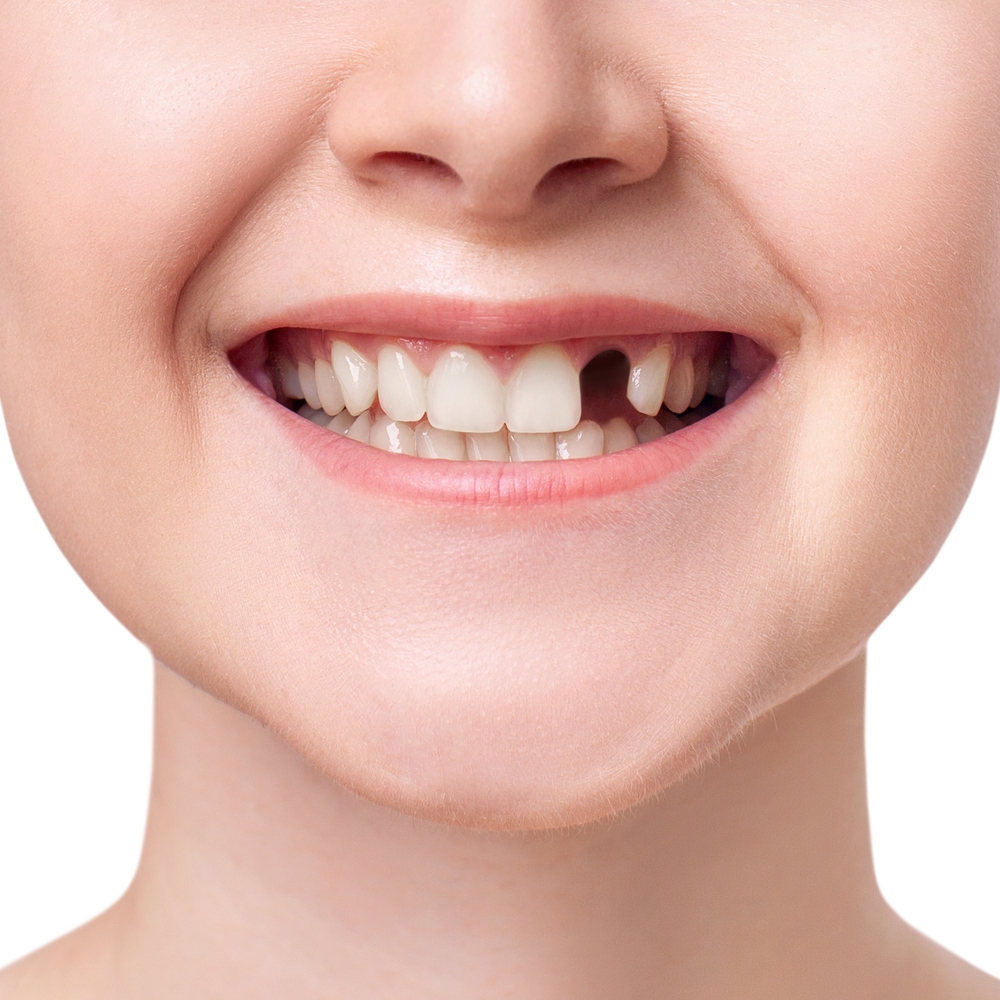 Socket preservation, also called alveolar ridge preservation, is a dental procedure performed immediately following tooth extraction to prevent bone loss in the empty socket.
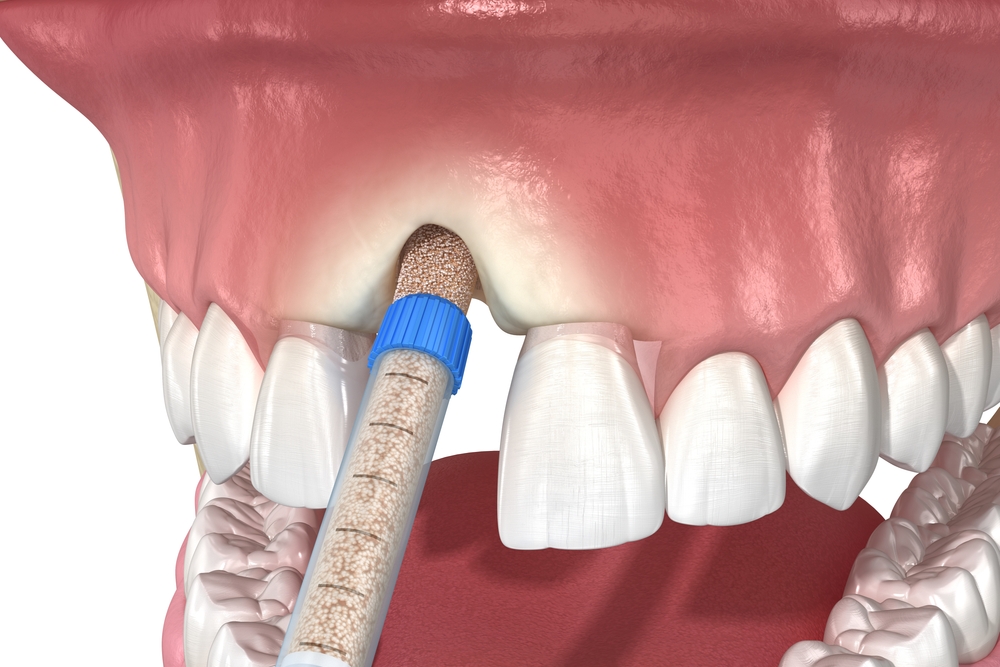
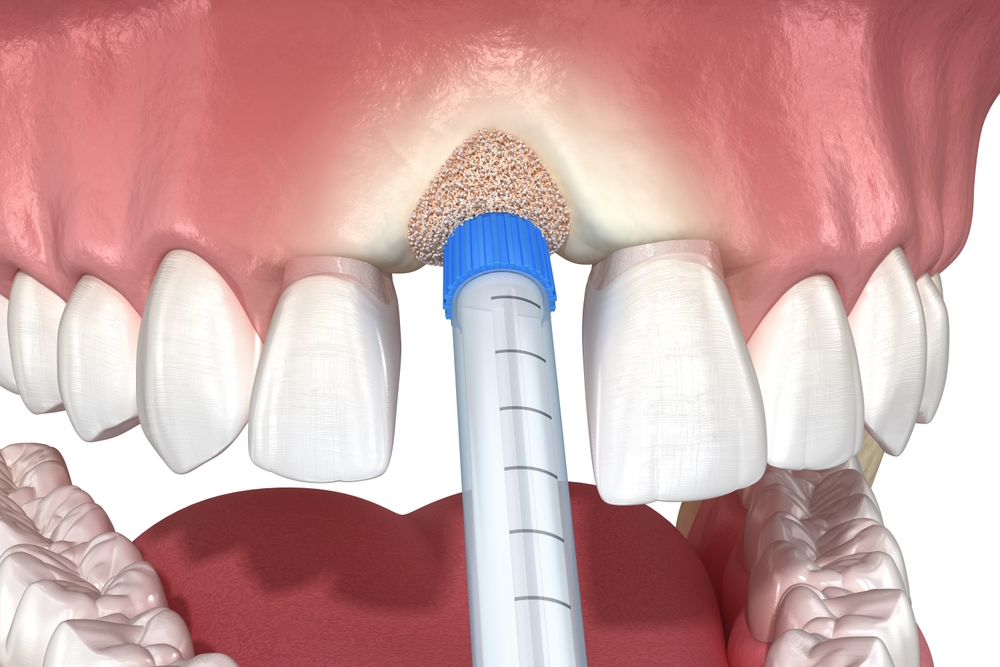
After removing a tooth, the dentist fills the socket with bone grafting material such as mineralized bone allograft, xenograft, or synthetic bone substitute. A barrier membrane is then placed over the graft material, and the gum tissue is sutured closed. This technique maintains the height and width of the alveolar ridge by providing a scaffold for new bone formation, preventing the bone density loss that typically occurs in the first six months after extraction.
Socket preservation creates an optimal foundation for future dental implantplacement or other restorative procedures.
Benefits of Socket Preservation
Protecting your bone immediately after extraction provides advantages that extend far beyond the extraction site:
- Prevents dramatic bone loss and ridge collapse: Without preservation, extraction sites lose 40-60% of their width within six months, making future implant placement difficult or impossible without extensive bone grafting later
- Maintains facial structure and appearance: Preserving bone volume prevents the sunken, aged appearance that develops when the jawbone shrinks, particularly noticeable in front tooth areas where bone loss affects your smile line
- Creates ideal foundation for dental implants: Adequate bone height and width are essential for successful implant placement; socket preservation eliminates the need for more complex and expensive bone reconstruction procedures down the road
- Reduces treatment time and complexity: Grafting at extraction time is simpler and heals faster than returning months later for ridge augmentation surgery before implants, getting you to your final restoration sooner
- Protects adjacent teeth from shifting: Maintained bone and ridge contours help neighboring teeth stay in proper position rather than tilting into the empty space and creating bite problems or orthodontic issues
- Keeps bridge and denture options viable: Even if you choose not to get an implant, preserved bone provides better support for traditional bridges or prevents dentures from becoming loose and uncomfortable over time
- Cost-effective preventive approach: Spending on socket preservation now costs significantly less than major bone grafting procedures required later if you allow extensive bone loss to occur before deciding on implant treatment
- Improves gum tissue health and appearance: Proper socket healing with grafting maintains healthy gum architecture rather than leaving indentations or uneven tissue that compromises aesthetics in your smile zone
Who Is a Good Candidate for Socket Preservation?
Most patients requiring tooth extraction benefit from socket preservation, though certain situations make it especially valuable:
- Anyone planning future dental implant placementin the extraction site, even if implant surgery won’t happen for several months or years
- Patients losing front teeth,where bone loss would be highly visible and affect their smile aesthetics, gum line appearance, and facial support
- Those who are extracting teeth with significant bone loss already presentfrom periodontal disease, infection, or trauma, which makes the remaining bone especially vulnerable to further resorption
- People who want to preserve all restoration optionsrather than limiting future choices by allowing preventable bone deterioration during the healing period
- Patients with thin bone wallssurrounding the tooth being removed, which are particularly prone to rapid collapse without grafting support
- Non-smokers or those willing to quit temporarily– smoking significantly impairs bone graft healing and integration, reducing preservation success rates by 30-40%
- Individuals with good overall healthand well-controlled medical conditions, like diabetes, that could otherwise interfere with bone healing and graft incorporation
The Socket Preservation Process – Step by Step
Understanding the complete procedure helps you know what to expect during and after your extraction appointment:
1. Pre-Extraction Consultation and Planning
Dr. Munro examines the tooth requiring extraction with X-rays and iTero scanning to assess bone quality, infection presence, and socket dimensions. You’ll discuss your tooth replacement timeline, preferred graft materials, sedation options, and overall treatment goals.
2. Anesthesia and Tooth Removal
Local anesthesiaand/or your chosen dental sedationthoroughly numbs the area. Dr. Munro carefully extracts the tooth using gentle techniques that minimize trauma to the surrounding bone walls and gum tissue, preserving as much natural structure as possible.
3. Socket Cleaning and Preparation
Once the tooth is removed, Dr. Munro thoroughly cleans the empty socket, removing any infected tissue, debris, or diseased bone. He examines the socket walls to identify any defects or perforations that need special attention during grafting.
4. Bone Graft Material Placement
Your selected bone grafting material is carefully packed into the empty socket, filling it completely from the base up to the level of the surrounding bone. The graft particles are condensed gently to eliminate voids while avoiding excessive pressure.
5. Membrane Barrier Application
A collagen membrane or other barrier material is trimmed to size and positioned over the graft-filled socket. This membrane prevents your gum tissue from growing down into the socket too quickly, giving the bone graft time to integrate properly.
6. Tissue Closure and Protection
Dr. Munro positions your gum tissue over the grafted socket and places sutures to hold everything securely. The closure technique depends on socket size and location – some sites achieve complete coverage while others intentionally leave the graft partially exposed.
7. Healing Period Monitoring
Your socket heals over three to six months as the graft material is gradually replaced by your natural bone. Follow-up appointments let Dr. Munro track healing progress, remove sutures, and determine the optimal timing for implant placement or other restoration.
8. Implant Placement or Final Restoration
Once healing completes, Dr. Munro uses imaging to confirm adequate bone volume has been maintained. You can proceed with dental implant surgerywith confidence, or move forward with bridge or denturefabrication knowing your ridge provides stable support.
Caring for Your Socket Preservation Site
Proper aftercare significantly impacts how well your graft integrates and how much bone volume you ultimately preserve:
- Avoid disturbing the extraction site: Don’t rinse vigorously, spit forcefully, use straws, or touch the area with your tongue or fingers for the first 48 hours while the blood clot and graft material stabilize
- Follow all dietary restrictions carefully: Stick to soft, cool foods for the first week and chew on the opposite side of your mouth to prevent graft material displacement or membrane damage
- Take prescribed medications as directed: Antibiotics prevent infection while the site heals, pain medications keep you comfortable, and anti-inflammatory drugs reduce swelling that can compromise graft integration
- Apply ice packs during the first 24 hours: Twenty minutes on, twenty minutes off helps minimize swelling and discomfort in the hours immediately following your extraction and grafting procedure
- Keep your mouth clean without brushing the site: Gently rinse with warm salt water starting 24 hours after surgery, but avoid brushing directly over the grafted socket until Dr. Munro gives approval
- Watch for warning signs of complications: Contact Parkview Dental immediately if you experience severe pain, excessive bleeding, fever, or foul odor from the site, as these may indicate infection or graft failure
- Quit smoking completely during healing: Tobacco use during the critical first two weeks dramatically increases your risk of graft failure, infection, and inadequate bone formation
Cost & Financing for Socket Preservation
Socket preservation typically adds $300 to $800to your tooth extraction cost, with total fees depending on the materials used and the complexity of your case. While this represents an additional expense at the time of extraction, it’s far more economical than the $1,500 to $3,000ridge augmentation procedures often required later if you skip preservation and allow extensive bone loss.
Several factors influence your socket preservation investment:
- Type and amount of bone graft material needed– synthetic grafts generally cost less than donor tissue, and larger sockets requiring more material increase expenses
- Membrane type and size– collagen membranes that dissolve naturally cost less than non-resorbable barriers requiring removal, though both effectively protect the graft
- Extraction complexity– simple extractions combined with preservation cost less than surgical extractions requiring bone removal or tooth sectioning before grafting
- Sedation choices– adding nitrous oxide or oral sedation for comfort increases your total procedure cost compared to local anesthesia alone
Parkview Dental works with most dental insurance providers, and many plans cover 50-80% of medically necessary socket preservation when you’re planning implant replacement. We also offer CareCredit financing to make your treatment affordable within your budget.
Considerations & Alternatives
 Socket preservation significantly improves your bone volume compared to extraction alone, but it doesn’t completely prevent all bone remodeling. Research shows preserved sockets still experience bone loss during healing, though this is far better than the loss without grafting. The procedure works best when performed immediately at extraction. Waiting even a few days reduces effectiveness as bone resorption begins instantly.
Success depends heavily on maintaining the blood clot and graft material in the socket. Any disruption during the first week, whether from smoking, aggressive rinsing, or eating hard foods, can compromise results. You must follow all post-operative instructions precisely and attend follow-up appointments so Dr. Munro can monitor healing. Some graft material may work its way out of the socket during healing, which is normal, but excessive material loss indicates problems requiring attention.
Possible Side Effects
- Graft material exposureif sutures fail or gum tissue doesn’t remain sealed over the socket, potentially allowing bacterial contamination, though many cases still heal successfully with careful monitoring
- Post-operative swelling and bruisinglasting three to five days, particularly common with extractions involving infection or larger back teeth requiring more extensive grafting
- Small particles of graft materialoccasionally work through the gums during healing, appearing as white granules that can be gently rinsed away without compromising overall preservation results
- Temporary altered sensationin nearby teeth or lip if the extraction and grafting procedure causes minor inflammation near nerve pathways, usually resolving within several weeks
Frequently Asked Questions
How long does socket preservation take to heal completely?
Initial soft tissue healing occurs within two to three weeks as your gums close over the grafted site. However, the bone graft material requires four to six months to fully integrate and mature into solid bone capable of supporting a dental implant. Dr. Munro will confirm complete healing with X-rays before proceeding with implant surgery or other restoration.
Can I get a dental implant immediately after socket preservation?
Typically no, socket preservation is performed when immediate implant placement isn’t possible due to infection, inadequate bone, or other factors. The grafted socket needs four to six months to heal before implant surgery can proceed. However, this wait time allows your bone to strengthen and mature, actually improving your long-term implant success rates compared to rushing placement.
Is socket preservation painful?
Most patients report minimal discomfort beyond what they’d experience from tooth extraction alone. Since you’re already numb for the extraction, adding the grafting and membrane placement causes no additional pain during the procedure. Post-operative discomfort is usually mild to moderate and well-controlled with prescribed pain medication for two to four days.
Can socket preservation fail?
Yes, though failure rates are relatively low at 5-15% when post-operative instructions are followed carefully. Smoking, infection, graft material displacement, or inadequate blood supply can prevent proper bone formation. If preservation fails, Dr. Munro can often repeat the grafting procedure or perform ridge augmentation later, though this extends your treatment timeline and increases costs.
How do I know if my socket preservation is healing properly?
Normal healing involves gradually decreasing discomfort over the first week, pink, healthy-looking gum tissue without excessive redness, and the absence of foul odor or taste. Some graft particles may appear at the surface, which is normal. Dr. Munro monitors your healing at follow-up appointments and can identify any problems requiring intervention before they compromise your results.
Does socket preservation work for wisdom tooth extractions?
Socket preservation is rarely necessary for wisdom teeth since those areas don’t typically require implant replacement, and the bone loss doesn’t affect your smile or bite function. However, if your wisdom tooth extraction creates a large defect next to your second molar, Dr. Munro may recommend limited grafting to protect that adjacent tooth’s bone support.