
Children’s Dentistry
Preventing Cavities in Children in Pembroke, ON
Helping Renfrew County Kids Stay Cavity-Free
Cavities are the most common chronic childhood health condition in Canada — more prevalent than asthma among school-age children. The encouraging reality is that the vast majority of cavities are preventable. The right combination of home habits, professional care, and protective children’s dental treatments can dramatically reduce your child’s risk at every stage of development. At Parkview Dental in Pembroke, ON, Dr. James Munro has been helping families build that kind of protection since 1976.
If you’re concerned your child already has a cavity, or just want to get ahead of the problem before one develops, our team is ready to help. Call our dentists in Pembroke at (613) 735-2336. We serve families from Petawawa, Cobden, Deep River, and Chalk River, ON.
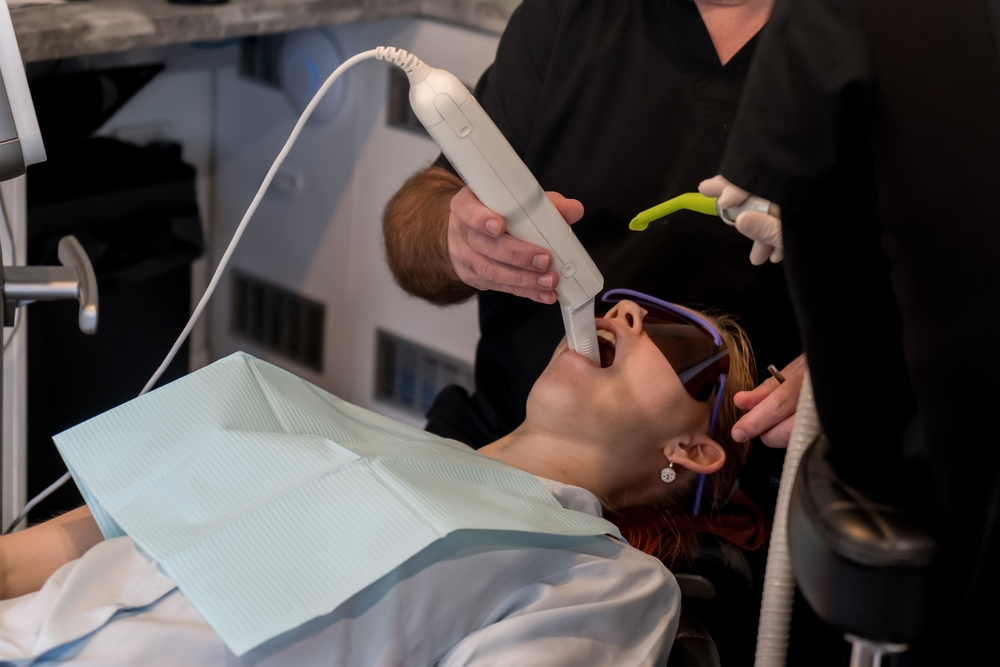
Early Detection With the iTero Scanner
One of the most powerful cavity prevention tools at Parkview Dental isn’t a treatment — it’s imaging. The iTero intraoral scanner allows Dr. Munro to spot early enamel changes and areas of beginning decay before they become established cavities.
Catching decay at its earliest stage means a fluoride treatment or sealant may be all that’s needed, rather than a filling. This is a meaningful difference for children — a less invasive intervention, a shorter appointment, and a more positive experience overall.
- Comfortable for children: The handheld wand replaces traditional X-ray equipment, removing one of the most stressful parts of a dental visit
- Reveals what visual exams can’t: Early demineralization, decay between teeth, and structural vulnerabilities are visible in the 3D scan before symptoms appear
- Tracks changes over time: Sequential scans create a precise record, allowing Dr. Munro to monitor an area of concern before deciding whether active treatment is needed
What Are Cavities?
Cavities, also called dental caries or tooth decay, develop when bacteria in the mouth feed on sugars and produce acids that erode tooth enamel over time. Left untreated, this erosion progresses from surface weakening to a hole in the tooth structure, eventually reaching the sensitive inner layers and nerve. Cavities can develop in baby teeth and permanent teeth alike. They are largely preventable with consistent oral hygiene, dietary habits, and professional care.
Why Cavity Prevention Matters for Children
Preventing cavities isn’t just about avoiding discomfort. The stakes are broader than that.
 Baby teeth matter: Cavities in primary teeth cause pain, affect chewing and speech, and can damage the permanent teeth developing beneath them
- Early decay patterns persist: Children who develop cavities in baby teeth are at higher risk for cavities in permanent teeth
- Treatment costs add up: A preventive fluoride application costs a fraction of what a filling runs; a filling costs far less than a crown or extraction
- Dental anxiety is often rooted in pain: Children who experience painful dental problems are far more likely to develop a fear of the dentist that follows them into adulthood
- Overall health connection: Untreated cavities have been linked to difficulty eating, disrupted sleep, and missed school days in children
 Baby teeth matter:
Establish Good Oral Hygiene Habits Early
The foundation of cavity prevention is what happens at home, twice a day, every day. Here’s how to build those habits at each developmental stage.
Infants (Before Teeth Appear)
Gently wipe your baby’s gums with a clean, damp cloth after feedings to reduce bacteria even before the first tooth arrives.
Toddlers (First Tooth Through Age Two)
Begin brushing with a soft-bristled infant toothbrush and a rice-sized smear of fluoride toothpaste as soon as the first tooth appears. Parents should brush their child’s teeth at this stage.
Ages Three to Six
Increase to a pea-sized amount of fluoride toothpaste. Begin teaching your child to brush with supervision. Introduce flossing once two teeth are touching. Make it a routine that happens at the same time every day.
Ages Seven and Up
Children can begin brushing independently when they have the dexterity to do so effectively, but parents should continue to supervise and check quality. Flossing daily remains important and should be a habit by this age.
Professional Fluoride Treatments
At-home fluoride from toothpaste and water is valuable, but professional fluoride treatments applied at dental visits provide an additional layer of protection that significantly strengthens enamel.
 What it is: A concentrated fluoride varnish painted onto tooth surfaces in minutes at the end of a routine visit
- How it works: Fluoride remineralizes weakened enamel, making it more resistant to acid attacks from bacteria and sugars
- Who benefits most: Children with a history of cavities, thin enamel, or diets high in sugar benefit most, though all children benefit from routine application
- Safe and painless: Fluoride varnish sets quickly and is completely comfortable; children can eat and drink normally shortly after
 What it is:
Dental Sealants — Protecting the Most Vulnerable Teeth
The deep grooves on the chewing surfaces of back molars are the most cavity-prone areas in a child’s mouth. Even thorough brushing leaves these narrow grooves partially uncleaned. Dental sealants seal those grooves shut.
- What they are: Thin, clear plastic coatings bonded to the chewing surfaces of back molars
- When they’re applied: Most commonly as soon as permanent molars erupt, typically between ages six and 14
- How effective they are: Sealants reduce cavity risk in treated teeth by up to 80% during the years children are most susceptible to decay
- Completely painless: No drilling, no numbing, no recovery — application takes only a few minutes per tooth
- Monitored at checkups: Dr. Munro checks the integrity of existing sealants at every routine visit and reapplies them when needed
Diet and Nutrition for Cavity Prevention
What your child eats and drinks has a direct impact on cavity risk. Bacteria in the mouth feed on sugar and produce the acids that erode enamel — the more frequently sugar is consumed, the more acid exposure teeth experience.
Foods and Drinks to Limit
- Sugary sodas, sports drinks, and juice, especially between meals
- Sticky candies, gummies, and dried fruits that cling to tooth surfaces
- Frequent snacking on crackers, chips, and other refined carbohydrates
- Citrus and acidic drinks that weaken enamel over time
Tooth-Friendly Choices to Encourage
- Water, especially fluoridated tap water, should be the primary drink throughout the day
- Dairy products, leafy greens, and almonds that provide calcium for enamel strength
- Crunchy vegetables like carrots and celery that stimulate saliva production and help clean teeth
- Cheese, which raises the pH of the mouth and has been shown to reduce cavity risk
The Frequency Rule
The total amount of sugar consumed matters less than how often it is consumed. Sipping on juice throughout the day is more damaging to teeth than drinking the same amount in one sitting. Encourage children to have sugary drinks with meals rather than throughout the day.
Regular Dental Checkups as a Prevention Tool
Dental checkups every six months allow Dr. Munro to catch and address early problems before they develop into cavities.
 Tartar removal: Professional cleaning removes hardened plaque that home brushing cannot reach and that contributes directly to decay
- Early decay detection: iTero imaging identifies areas of concern before symptoms appear
- Fluoride and sealant application: Preventive treatments are applied at these visits on an appropriate schedule
- Home care coaching: Dr. Munro reviews your child’s brushing and flossing technique and provides practical, specific feedback
- Cavity risk reassessment: A child’s risk level changes as their diet, hygiene habits, and tooth development change; regular visits allow the prevention plan to evolve accordingly
 Tartar removal:
Frequently Asked Questions
How do I know if my child is at high risk for cavities?
High-risk indicators include a prior history of cavities, frequent consumption of sugary or acidic foods and drinks, visible white spots on teeth, inconsistent brushing habits, and dry mouth. Dr. Munro assesses cavity risk at every visit and discusses specific protective strategies based on your child’s situation.
My child hates flossing. Is it really necessary?
Yes. Flossing removes food and plaque from between teeth, where brushing simply cannot reach. These between-tooth surfaces are among the most common sites for cavities in children. Floss picks or child-sized interdental brushes can make the process easier and more tolerable for reluctant kids.
At what age should we start using fluoride toothpaste?
From the moment the first tooth appears. Use a rice-sized smear of fluoride toothpaste for infants and toddlers. A pea-sized amount is appropriate from around age three. Fluoride toothpaste from the start of brushing provides meaningful enamel protection during the most vulnerable developmental years.
Can a cavity reverse itself?
Early-stage enamel demineralization, visible as white spots on teeth, can be remineralized with consistent fluoride exposure before a true cavity forms. Once a hole develops in the tooth structure, however, it cannot be reversed — treatment is required. This is why early detection at routine visits with iTero imaging is so valuable.