
Emergency Dentistry
Severe Toothache Treatment in Pembroke, ON
When Your Tooth Pain Won’t Quit
A toothache that keeps you up at night or makes it impossible to eat isn’t something to ride out. Severe, persistent tooth pain almost always means something is wrong inside the tooth or the surrounding tissue, and whatever is causing it won’t resolve on its own. At Parkview Dental in Pembroke, Dr. James Munro sees dental emergency patients as quickly as possible, often the same day you call.
If your tooth pain has gone from annoying to unbearable, don’t wait. Call (613) 735-2336 right now. We serve patients from Pembroke and surrounding communities, including Petawawa, Cobden, Deep River, and Chalk River, ON.
Hospital Privileges for Complex Emergency Cases
Not every dental emergency can be resolved in a standard office visit, and this is where Dr. Munro’s credentials set Parkview Dental apart. He is one of the few dentists in Pembroke with hospital privileges to administer general anesthesia, which means patients facing complex or high-risk emergency procedures have access to a level of care that many local practices simply cannot offer. For emergencies involving extensive trauma, infection, or procedures too involved for the dental chair alone, this hospital-level backing gives patients an added layer of safety.
What’s Actually Causing Your Toothache?
Toothaches feel different depending on what’s behind them. A few common causes:
- Deep decay or a cavity that’s reached the nerve. When a cavity gets deep enough, it reaches the pulp, the soft inner tissue that contains your tooth’s nerves. That’s when dull sensitivity turns into sharp, throbbing pain.
- A dental abscess. An infection that has built up at the root tip or in the gum beside the tooth. Usually causes a pounding, constant ache that may spread to your jaw, ear, or neck.
- A cracked tooth. Sometimes a crack is invisible but causes sharp pain when you bite down, then eases off. If the crack reaches the pulp, pain becomes constant.
- A failing or leaky filling. Old fillings can break down over time, letting bacteria in. The tooth underneath may have decayed without any obvious sign until pain sets in.
- Gum disease. Pain that comes from the gum rather than the tooth itself, often with swelling or bleeding.
- Referred pain. Sinus infections and even heart issues can sometimes cause pain that feels like it’s coming from an upper tooth. Dr. Munro can rule out dental causes if needed.

When Is a Toothache a Dental Emergency?
Not every twinge requires a same-day call, but these signs mean you should call immediately:
- Pain has lasted more than one to two days with no improvement
- Throbbing pain that radiates to your jaw, ear, or neck
- Swelling in your face, cheek, or jaw
- Fever, chills, or a foul taste in your mouth (signs of infection spreading)
- Pain so severe it’s disrupting sleep or making it impossible to eat
- Visible swelling on your gum, especially a bump that looks like a pimple
Any swelling alongside tooth pain is serious. A spreading dental infection can become dangerous quickly. Call (613) 735-2336 right away if you’re experiencing any of these.
What to Do Before You Can Get to Our Office
Getting to Dr. Munro as fast as possible is the priority. While you’re waiting:
 Rinse gently with warm salt water to reduce bacteria and calm irritated tissue
- Take ibuprofen (Advil, Motrin) if you’re able. It reduces both pain and inflammation. Follow the label dosage. Avoid aspirin if you have any bleeding.
- Apply a cold compress to the outside of your cheek for 15 to 20 minutes at a time. Do not apply heat, as it can worsen swelling
- Avoid very hot, cold, or sweet foods and drinks, which can amplify nerve pain
- Don’t poke at the tooth or gum with fingers or sharp objects
- Skip the clove oil for anything more than minor sensitivity. It won’t address an abscess or cracked tooth
 Rinse gently with warm salt water to reduce bacteria and calm irritated tissue
These steps manage discomfort. They don’t treat the underlying problem.
How Dr. Munro Treats an Emergency Toothache
The goal is always to find the source of pain and address it directly, not just mask the symptoms. At your emergency visit, Dr. Munro will:
Step 1: Examine and Image
A clinical exam combined with digital X-rays gives Dr. Munro a clear picture of what’s happening at and below the gumline. For complex cases, our iTero scanner provides additional precision.
Step 2: Numb the Area
Before any treatment begins, local anesthesia is administered so you’re comfortable. Sedation is also available for patients who are anxious or need additional help relaxing.
Step 3: Diagnose and Explain
Dr. Munro will walk you through what he found and what your options are before anything else happens. No surprises.
Step 4: Treat the Cause
The appropriate treatment depends on what’s causing the pain:
 Cavity or Decay: A filling or crown to restore the tooth and seal it against further damage
- Infected Pulp: Root canal therapy to remove the infected tissue, eliminate pain, and save the tooth
- Abscess: Drainage of the infection, antibiotics if needed, and treatment of the affected tooth
- Cracked Tooth: Bonding, a crown, or in severe cases, extraction followed by discussion of replacement options
- Gum Infection: Deep cleaning, drainage, or referral for periodontal treatment as appropriate
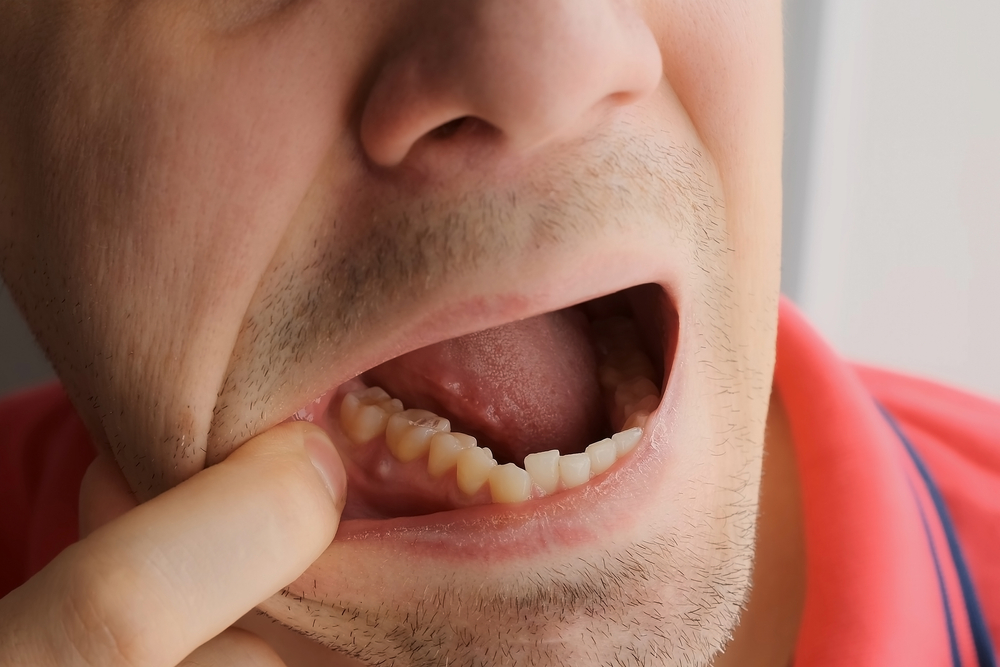 Cavity or Decay:
Step 5: Aftercare Instructions
Before you leave, you’ll receive clear instructions on what to eat, what medications to take, and what to watch for during recovery.
Cost & Financing
The cost of emergency toothache treatment depends on what’s causing the pain and what treatment is needed. A diagnostic visit with X-rays is typically in the range of $100 to $200. Treatment costs vary:
- Fillings: generally $150 to $400 depending on size and material
- Root Canal Therapy: typically $700 to $1,500 depending on the tooth
- Dental Crowns: generally $1,000 to $1,800
At Parkview Dental, we work with most major insurance plans and will file paperwork on your behalf. Flexible payment arrangements are also available for patients without coverage. Dr. Munro explains all costs before treatment begins.
Frequently Asked Questions
My tooth is killing me, but it's the middle of the night. What should I do?
Take ibuprofen at the recommended dose, apply a cold pack to your cheek (not heat), and call us first thing in the morning at (613) 735-2336. If you have fever, significant facial swelling, or difficulty swallowing or breathing, go to the nearest emergency room. Those are signs the infection may be spreading.
My tooth stopped hurting on its own. Does that mean it's fine?
Not necessarily. If a tooth was in severe pain and then went quiet without any treatment, the nerve may have died. The infection is often still there, but you’ve lost the ability to feel it. The tooth should be evaluated.
I've had this toothache for weeks, but it's only moderate pain. Do I really need to come in?
Yes. Low-grade, persistent tooth pain almost always means something is wrong. Waiting for it to become severe gives whatever is happening more time to progress. This typically means more complex and more expensive treatment down the line.
Can I just take antibiotics and skip the dental visit?
Antibiotics can temporarily reduce infection symptoms, but they don’t fix the structural problem causing the infection. The pain will return once the course is done if the underlying issue hasn’t been treated.
My face is a little swollen on the same side as my toothache. Is that serious?
It can be. Call us immediately or, if it’s after hours and swelling is significant, go to the emergency room. Dental infections can spread into the jaw, neck, and airway. Facial swelling alongside tooth pain is never something to wait on.
Why does my toothache hurt more at night?
When you lie down, blood pressure in your head increases slightly, which can intensify inflammation and nerve pain. You also have fewer distractions at night to redirect attention away from the pain.